BROPHY.COACH
Message Architecture Sprint
Build the message before you polish the delivery
A strategic sprint for CEOs, founders and senior leaders preparing for high-stakes rooms where clarity, influence and action matter.
The Message Architecture Sprint turns complex thinking, crowded material and high-pressure communication into a clear, audience-ready message built to move the room.
This is not traditional presentation coaching.
It is the strategic work that should happen before delivery polish, slide design or rehearsal.
Apply for the Message Architecture Sprint
A focused diagnostic for leaders preparing for a
high-stakes room where the message needs to land.
The problem
Most leaders are not short on material.
They are too close to it.
You know the context, history, proof, politics and risks.
The room does not.
The room needs to know what matters, why it matters, and what to do next.
If the message is crowded, the audience has to work too hard.
And in high-stakes rooms, confused people rarely act.
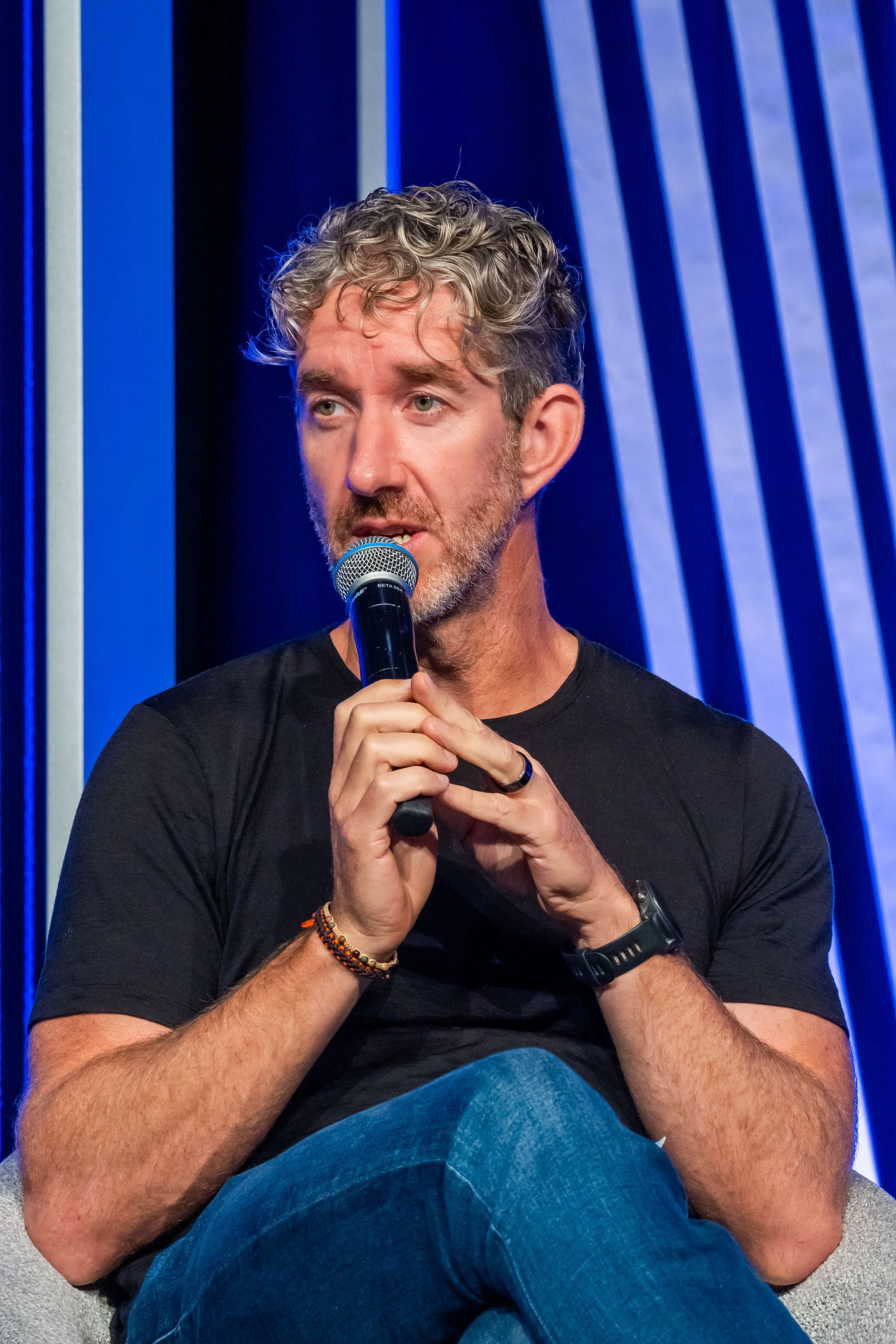
Scott Farquhar | Co-Founder, Atlassian
The sprint
The Message Architecture Sprint builds the structure behind the message.
Together, we define:
Who is really in the room.
What they care about.
Where they are starting from.
Where they need to end up.
Who needs to be moved.
What the central idea is.
What should stay.
What should go.
What proof matters.
What resistance needs to be addressed.
What action the message needs to drive.
You do not leave with generic speaking tips.
You leave with a message built around the room.
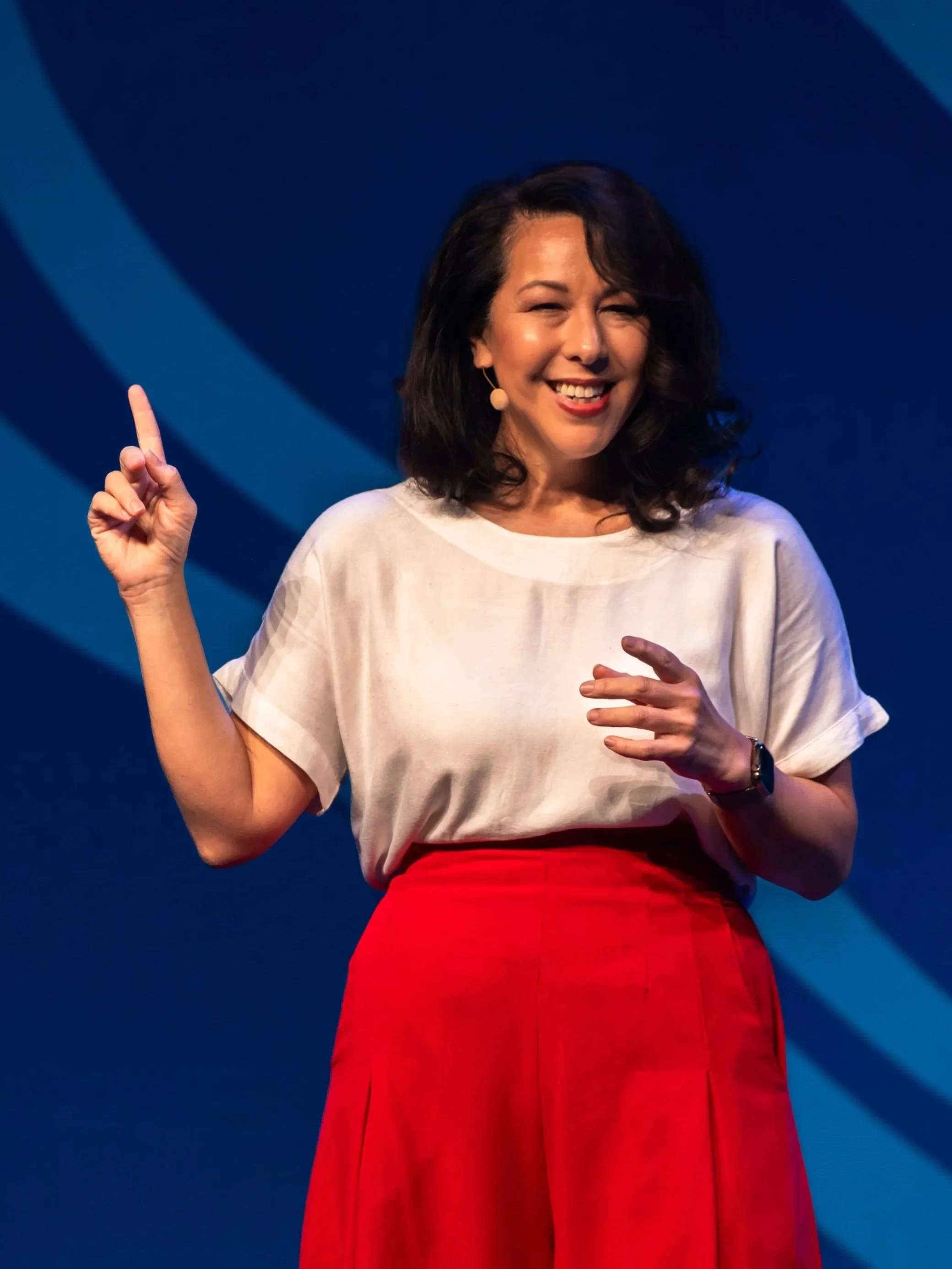
Stella Clarke | Inventor of BMW's colour-changing carThe Message Architecture Sprint process
1. Define the room
We map the audience, stakeholders, decision-makers, influencers, sceptics and hidden movers.
The room is rarely one audience.
The message needs to land with the people who approve, influence, implement and repeat it.
2. Define the shift
Every important presentation moves the room from A to B.
From unclear to clear.
From sceptical to open.
From passive to ready.
From overloaded to focused.
From interested to convinced.
From informed to willing to act.
The shift becomes the filter for the entire message.
3. Build the architecture
We shape the message hierarchy, central idea, narrative spine, proof points and key stories.
The goal is not to say everything.
The goal is to say what matters in the order the room needs to hear it.
4. Prepare the message to land
We refine the opening, closing, action step, deck direction and key language.
The message becomes easier to understand, believe, remember and carry forward.
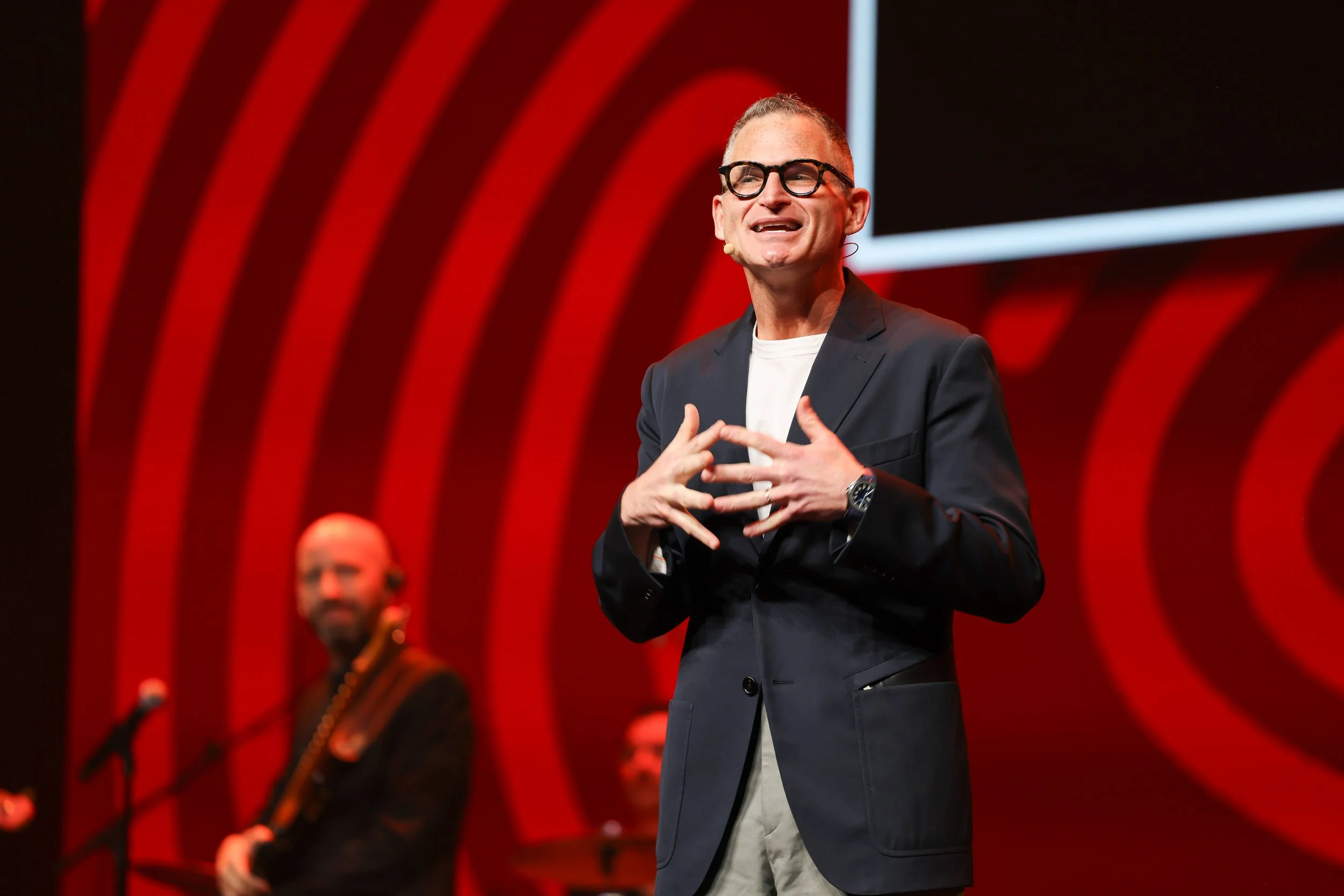
Brian Glaser | VP & Chief Learning Officer, Google
Louie Schwartzberg | Filmmaker,
Fantastic Fungi
What you leave with
A clear strategic blueprint for the presentation, including:
Audience and stakeholder map.
A–B shift.
Central idea.
Message hierarchy.
Narrative spine.
Proof and story map.
Cut list.
Opening and closing direction.
Audience action step.
Deck guidance.
Room-ready message structure.
You leave with more than a better presentation.
You leave with a better way to think through high-stakes communication.
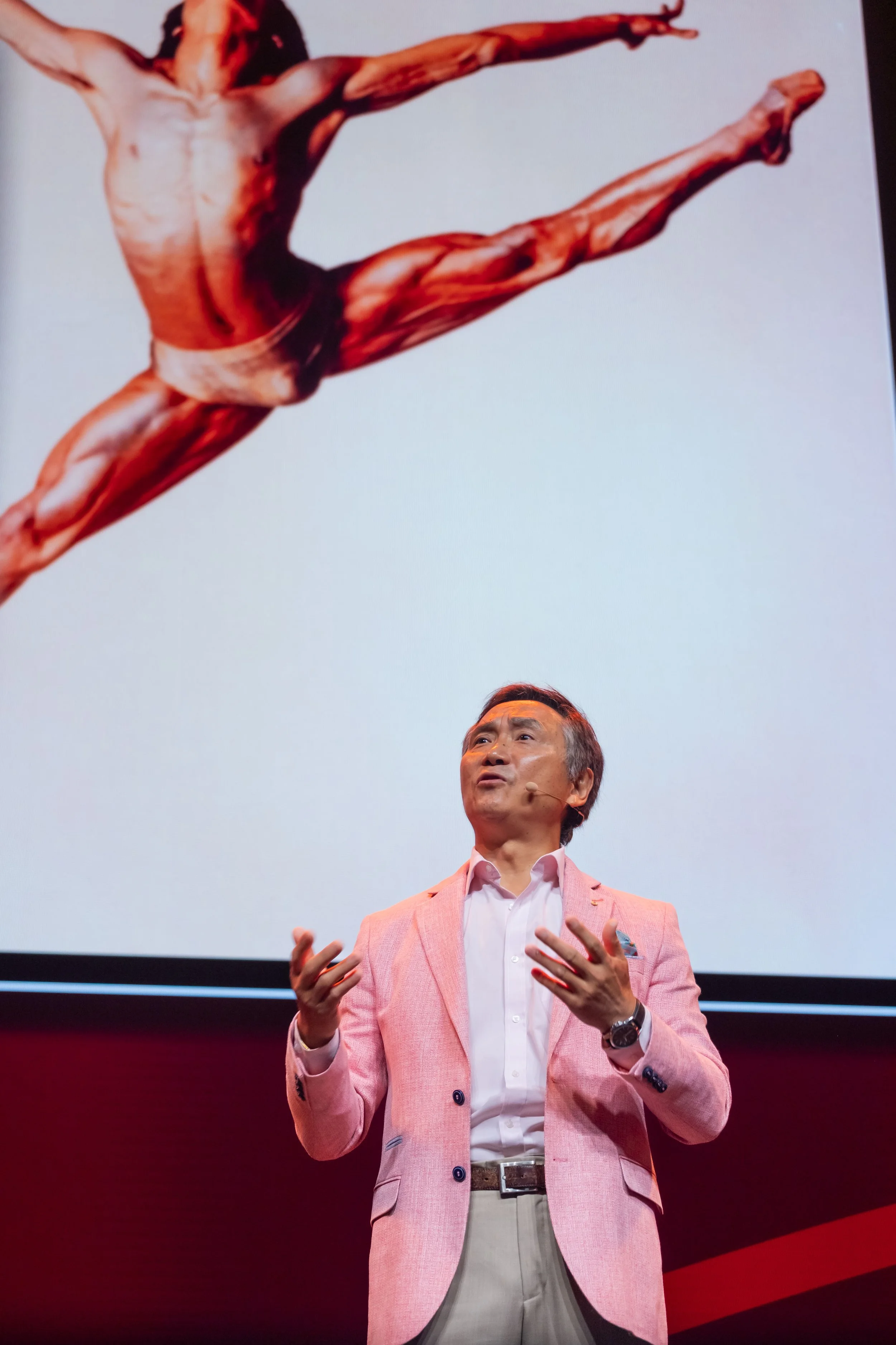
Li Cunxin | Artistic Director, Queensland Ballet
| Author, 'Mao’s Last Dancer'
A complimentary session providing insights you can action immediately
Download the Brophy Coaching
process overview
Who this is for
This sprint is for leaders preparing for moments where the message has consequence:
Board presentations.
Investor meetings.
Leadership updates.
Major keynotes.
Stakeholder rooms.
Award presentations.
Strategic pitches.
Change communication.
Industry forums.
High-value client presentations.
This is for the room you cannot afford to waste.
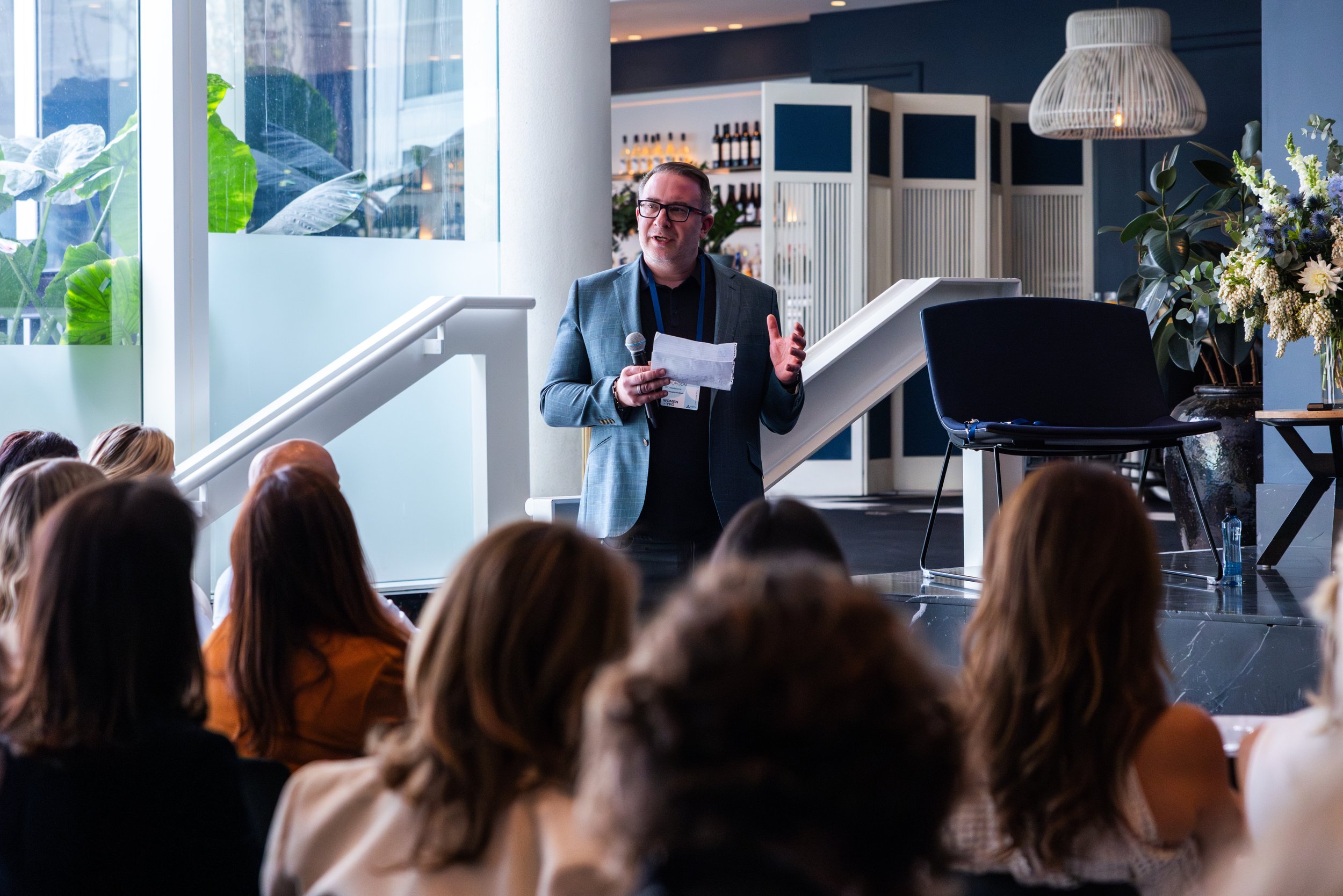
Steven Smorgon | Family Office | Investment | Property | Philanthropy | YPO Regional Chair ANZBring the material as it is
You do not need a finished deck.
Bring notes, slides, transcripts, a rough outline, a strategy document, a voice memo or a messy working draft.
The sprint is designed to find the architecture inside the material.
You bring the thinking, context and stakes.
I help shape it into a message the room can use.

Joanne Goldman, Global CEO & FounderThe outcome
A clearermessage.
A sharperstructure.
A stronger argument.
A more useful audience takeaway.
A presentation built around the room, not just the material.
You walk in knowing:
Where the room is starting.
Where you are taking them.
What matters.
What to leave out.
What action you are driving.
And you have a message designed to move people somewhere specific.
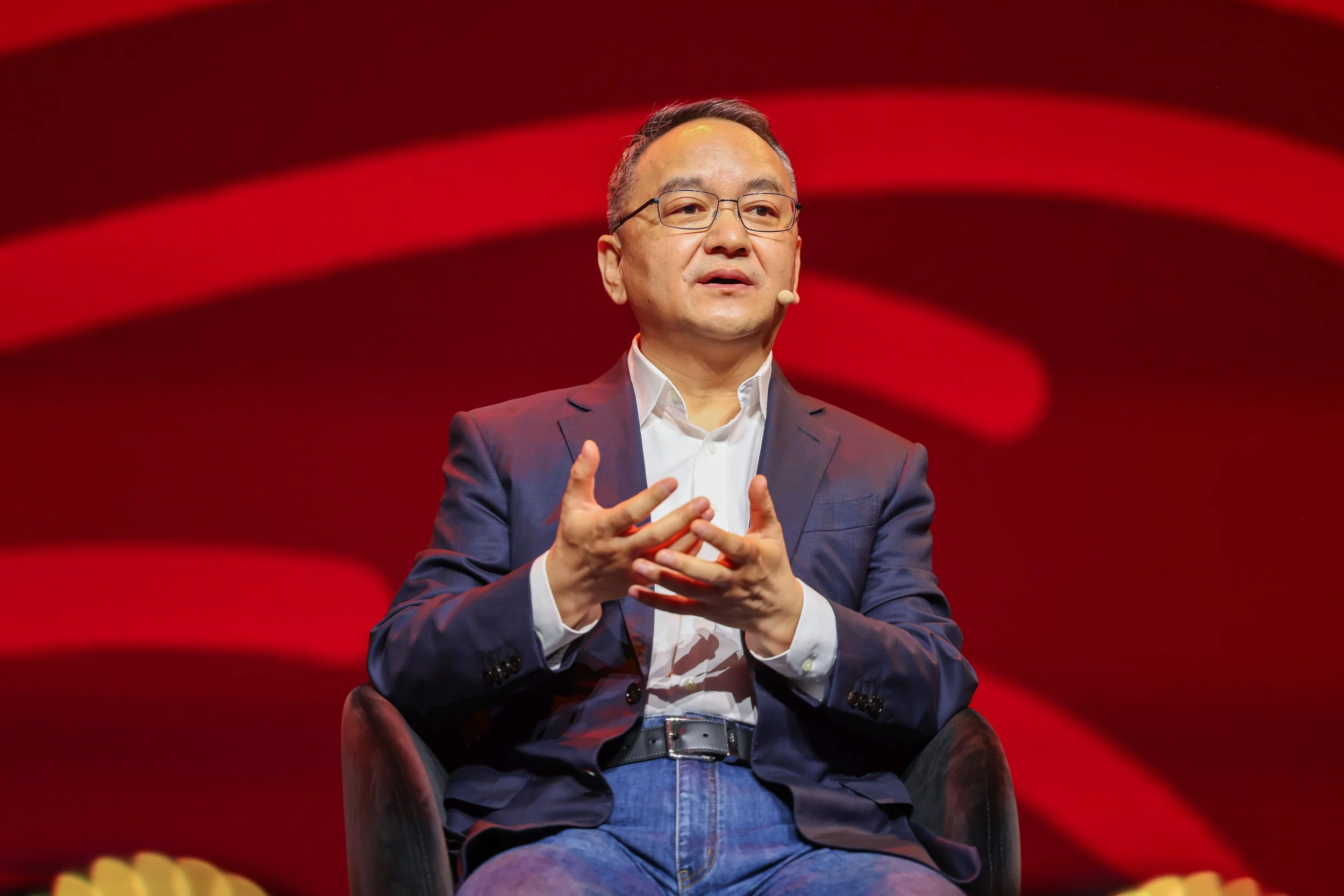
James Peng, Founder, XPengWhy it matters
The best idea does not always win.
The clearest message often does.
In high-stakes rooms, people do not respond to everything you know.
They respond to the story they can understand, the argument they can follow, the proof they can believe and the next step they can act on.
A strong message does not simply explain.
It creates movement.
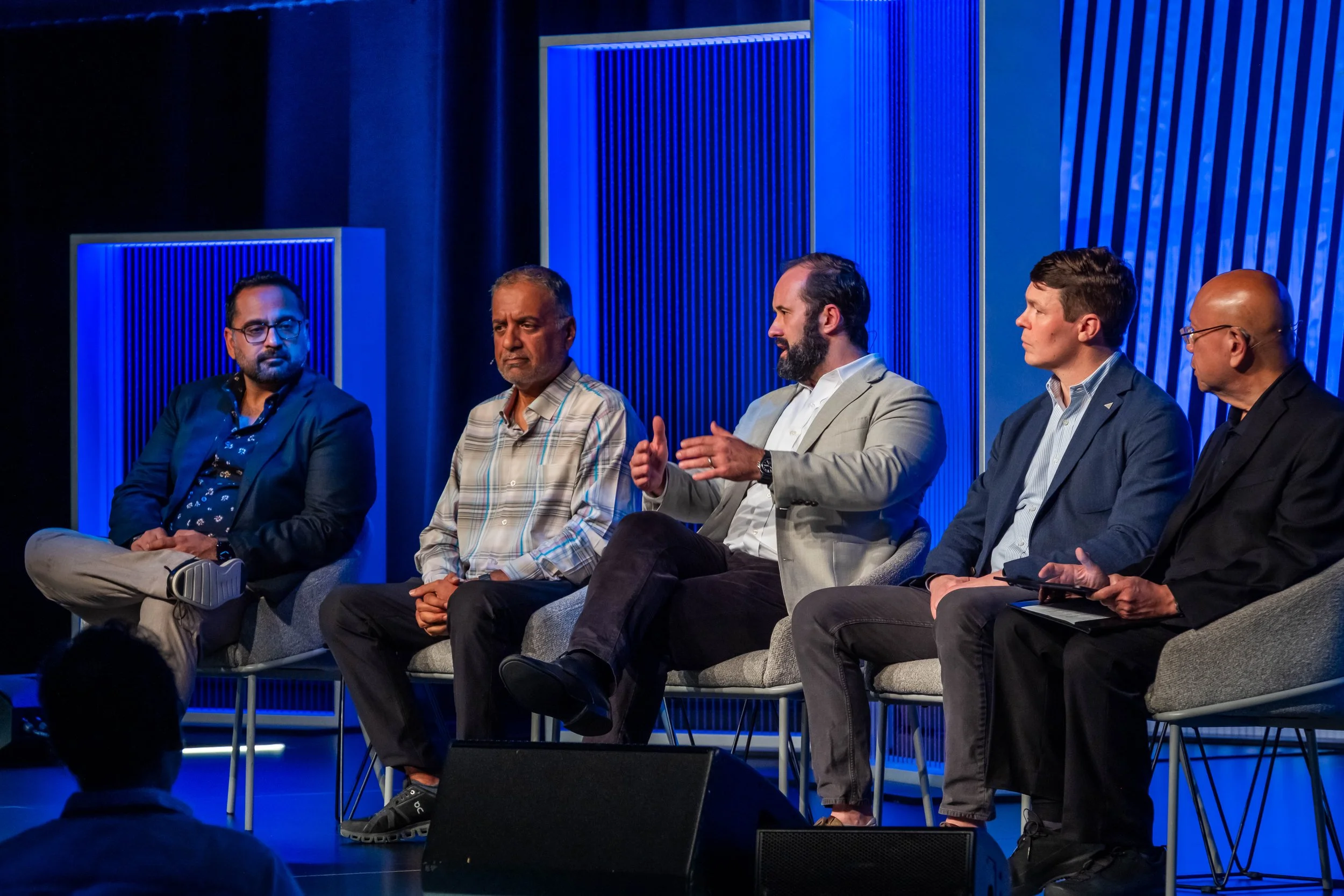
Amandeep Khurana, Rajeev Kapur, Brandon Powell, Steve Muntean,
Stephen Ibaraki (Moderator)
Not sure whether
you need the full sprint?
Start with a complimentary Message Diagnostic.
In onefocusedsession, we identify what your presentation needs to achieve, where the message is currently most at risk, and what needs to change before the room.
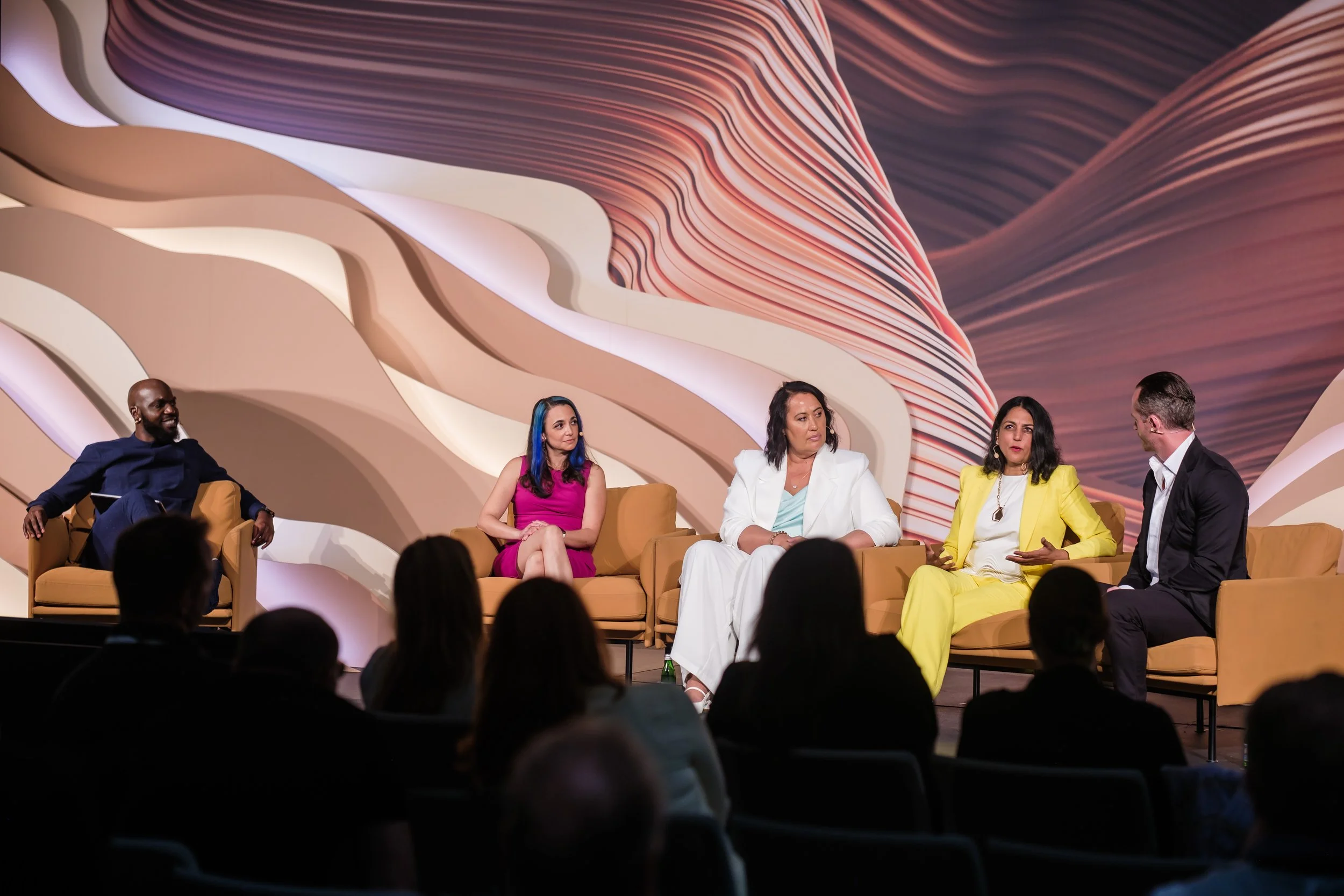
Tiffany Vora, Milo Wilkinson, Dr. Neha Sangwan, Tim Gurner,
Larry Madowo (Moderator)A focused diagnostic for leaders preparing for a
high-stakes room where the message needs to land.
Work with Dan
Dan Brophy helps leaders turn complex thinking into messages that land.
His work sits at the intersection of message strategy, audience psychology, creative direction and high-stakes presentation coaching.
With a background in advertising, content strategy and executive communication, Dan brings a commercial lens to the room: the message needs to do more than sound good. It needs to create movement.
He has worked with founders, CEOs, senior leaders and high-profile speakers preparing for keynotes, boardrooms, investor conversations, leadership updates, industry forums and stakeholder moments.
His approach is direct, strategic and audience-led.
First, define the room.
Then define the shift.
Then build the message that moves people there.

Dan BrophyA focused diagnostic for leaders preparing for a
high-stakes room where the message needs to land.
Collaborations
Recent work includes coaching 50+ global speakers across leadership, technology, geopolitics and wellbeing.
Collaborations of note include Scott Farquhar, Lucy Guo, James Peng, Stella Clarke, Li Cunxin, Louie Schwartzberg, Stephen Smorgon, Carolyn Creswell OAM, Elle Macpherson and Miranda Kerr.
Group training and workshop experiences designed and led for Ponant Explorations, Google and Lexus.
Brand partnerships include Rolex, Kering, Subaru, Schweppes, Amex, NAB, Nestlé, Colgate and Volvo.
Testimonials
“Helped me strengthen both the structure of my presentation and the clarity and confidence of my delivery. His guidance significantly improved the way I communicate my ideas.”
Francisco Santos | Former Vice President of Colombia
“Valuable in understanding the focus of the keynote and the audience’s needs more clearly.”
Maria Ressa | Nobel Peace Prize Winner, Journalist & Author
“A wealth of knowledge and wisdom - it’s had such a profound impact on my presenting”
Stephen Smorgon | Family Office, Real Estate, Entrepreneur
“One of the best speaking coaches I have ever worked with, Dan’s ability to draw out the best in my message transformed my story into a succinct and powerful emotional narrative allowing me to connect authentically with the listeners.”
Li Cunxin | Author (Mao’s Last Dancer) Speaker, Artistic Director (Queensland Ballet)
“A complete restructuring of my speech into a storyline - and introducing "tension" into the presentation. Dan provided wonderful ideas that proved very effective.”
Stella Clarke | Engineer at BMW Group; Creator: the ‘colour-changing car’
“The Ponant team had an opportunity to work with Dan to refine and enhance their messaging and presenting skills. The coaching opened my mind to how I could have a greater impact on the audience - I use the tips I learned every time that I prepare an address.”
Deb Corbett | CEO APAC, Ponant Explorations